REC
ISO 100F/2.81/250

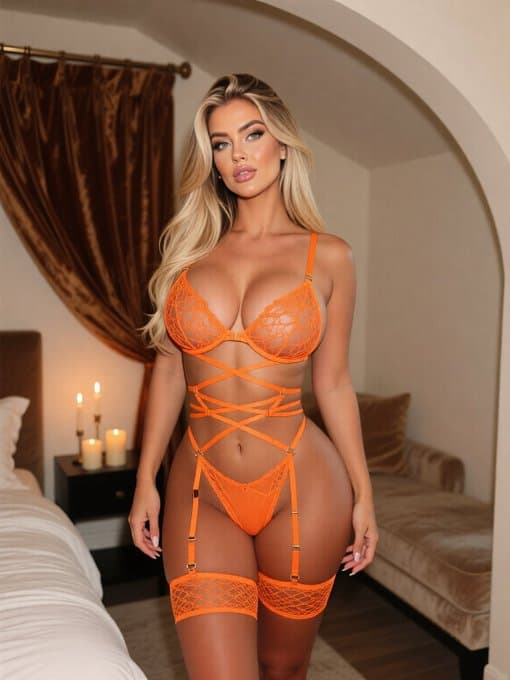
Neon Noir Cinema
#ai influencer#virtual model#brand ambassador#realistic ai#lifestyle
AI Model StyleFree to try
Prompt Used:
**The core question from the post is a real dilemma for solo/indie developers in 2026: With AI (“vibe coding”) making it trivial for anyone to replace most simple SaaS tools themselves, traditional subscription-based micro-SaaS is getting squeezed hard.**<grok:render card_id=“b280b6” card_type=“citation_card” type=“render_inline_citation”><argument name="citation_id">0</argument></grok:render>
Indie devs can’t compete on building frontier models or massive hardware, so the old playbook of “find a pain point, slap together a CRUD app, charge $9–49/mo” is dying for undifferentiated tools.
### Realistic answers for what indie devs *can* build and monetize now:
1. **Hyper-niche, high-value vertical tools with real moats** (data, community, compliance, or integrations)
- Focus on domains where “just vibe-code it” fails: regulated industries (healthcare, finance, legal), complex workflows needing ongoing maintenance/support, or proprietary data/network effects.
- Examples: Specialized compliance dashboards, industry-specific agents that handle real-world edge cases, or tools sitting on unique datasets.
- Moats like community (e.g., platforms where users contribute value) or integrations that are painful to replicate.
2. **AI-powered services or “Service-to-Software” ladder** (not pure SaaS)
- Start by solving one customer’s painful problem manually/with AI (get paid consulting-style), validate, then productize into a narrower SaaS for similar customers.
- This avoids building in a vacuum. Many 2026 guides recommend this: prove value first, then scale.<grok:render card_id=“29cbc7” card_type=“citation_card” type=“render_inline_citation”><argument name="citation_id">4</argument></grok:render>
3. **Agentic or autonomous systems for specific business functions**
- Build tools that don’t just assist but *own* repetitive processes (e.g., full autonomous marketing workflows, inventory agents, or personalized customer ops in a niche).
- AI-native from the ground up, not wrappers. Enterprises still pay for reliability, security, and orchestration that individuals can’t handle.<grok:render card_id=“67a272” card_type=“citation_card” type=“render_inline_citation”><argument name="citation_id">9</argument></grok:render>
4. **Infrastructure/tools that power the new AI economy**
- Things that support AI usage itself: specialized prompting/optimization tools, cost-monitoring dashboards for AI spend, fine-tuning helpers for smaller models, or open-source contributions turned into premium support/hosts.
- Or consumer-facing apps that leverage cheap AI but add unique UX, content, or social layers.
5. **Non-software or hybrid plays**
- Hardware-adjacent (e.g., custom setups, edge devices), content/education around AI workflows, or marketplaces/communities.
- Some are shifting to games, physical products, or info products where AI lowers creation costs but human taste/branding wins.
### Key realities in 2026:
- **SaaS isn’t fully dead** — it’s uneven. Weak, generic tools get replaced or consolidated. Deep, reliable, or regulated ones survive and can even thrive with AI speeding up development.<grok:render card_id=“5c9e5d” card_type=“citation_card” type=“render_inline_citation”><argument name="citation_id">7</argument></grok:render>
- Distribution > code now. AI makes building easy, so marketing, sales, and retention become the bottlenecks. Solo founders often struggle here.
- Costs concentrate on big providers (OpenAI/Anthropic + cloud), but you can use open-source models to differentiate.
- Many successful indies are going smaller: tiny niche tools for $5k–10k MRR that one person can fully own and support.
The winners will be those who **ship fast with AI, deeply understand a specific customer pain that isn’t easily self-solved, and build trust/moats beyond the code**. Pure “AI wrapper” SaaS is crowded and failing fast, but thoughtful, vertical AI products are still making money.<grok:render card_id=“e4973c” card_type=“citation_card” type=“render_inline_citation”><argument name="citation_id">13</argument></grok:render>
It’s tougher than 2020–2023, but opportunities exist if you avoid competing directly with what a non-technical user can prompt in an afternoon. Focus on what requires ongoing expertise, scale, or human elements.
About This Neon Noir Cinema Style
This visual artwork was created using PhotoForge AI's advanced portrait rendering pipeline. It combines studio lighting physics, depth-of-field simulation, and realistic facial preservation technology. You can apply this exact aesthetic to your own photos, change the background, customize outfits, or build complete AI photoshoot packs in seconds.
Step 1
Upload Your Photo
Select a clean front-facing selfie or portrait from your camera roll or desktop.
Step 2
Apply Style & Prompt
Use this pre-configured prompt or tweak the lighting, clothing, and background parameters.
Step 3
Export in 4K Ultra-HD
Download high-resolution 4K exports ready for LinkedIn, Instagram, Tinder, or commercial use.
Want to explore more AI tools?